 High-Value Instant Rebates are back for a limited time!
Dog Anesthesia in Atlantic Highlands, NJ
If your dog needs a procedure that requires general anesthesia, you may be feeling a bit overwhelmed and anxious. While this is a natural reaction, pet surgical procedures are routine, and anesthesia is administered with every precaution taken to ensure a smooth experience and recovery for your dog. In this article, we will discuss the different types of anesthesia, dog breeds that may be more sensitive to anesthesia, what you need to know before your dog undergoes surgery, possible but rare complications of anesthesia, monitoring by the veterinarian to ensure your dog’s safety, and what you need to watch for at home post-surgery.
If you are ready to book an appointment or have more questions about Dog Anesthesia, give us a call or request an appointment online.
FAQs - Dog Anesthestia
What are the different types of anesthesia?
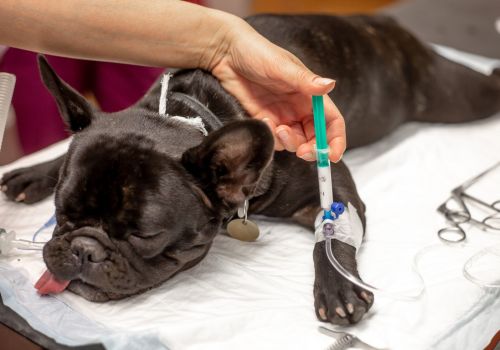
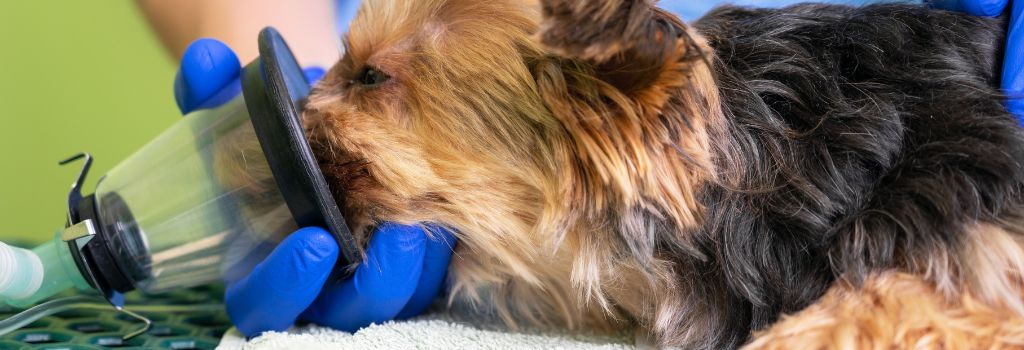
As veterinarians, we use a few different forms of dog sedatives or anesthesia. First, we administer pre-anesthetic medication to calm your pet and to help with pain management. The pre-anesthetic also helps your dog wake up more smoothly after their procedure. Then we administer induction anesthesia, which puts the dog to sleep to be intubated and started on general anesthesia. General anesthesia is typically a gas that is safely delivered by an endotracheal tube.
Administering different types of anesthesia in stages allows us to use fewer drugs overall and makes anesthesia safer for your canine companion.
When would my dog need anesthesia?
Your dog will need anesthesia if they ever undergo surgery or another type of painful procedure, like getting stitches to repair a wound. We also use anesthesia for dental procedures and x-rays which require us to keep your dog’s mouth open for extended periods.
What do I need to know before my dog goes in for an anesthetic procedure?
We will perform a comprehensive physical exam on your dog before their procedure to assess their risk. We may also do blood work to make sure their organs are functioning correctly and will be able to process the anesthesia medications. We will also provide you with pre-procedure instructions.
Preparing your dog for a procedure may include:
- Withholding food and water overnight
- Giving them prescribed medications
- Preparing an area where they can recover from anesthesia/surgery
Our team will discuss any requirements with you when scheduling your dog’s procedure, and we encourage you to reach out to us if you have any questions.
What Are the Possible Complications of Anesthesia?
The overall anesthetic-related risk of death in dogs is low, at approximately 0.17%. Other notable complications include hypotension (low blood pressure), hypothermia (low body temperature), hypoxemia (low blood oxygen), and hypoventilation (respiratory depression). Other reported complications include regurgitation, aspiration pneumonia, corneal ulcers, and in cats, blindness.
The risk of anesthesia-related death in pets increases significantly with the animal’s health condition and age. Poor health status, age, inadequate monitoring, certain breeds, and endotracheal intubation in cats are associated with a higher mortality risk.
Anesthesia safety has improved significantly over the years due to better monitoring and the use of checklists to improve safety. While there are no 100% safe anesthetic agents or procedures available for pets, veterinarians do everything possible to minimize any risks your pet may face while under anesthesia by performing comprehensive pre-anesthesia testing and providing close monitoring during and after the procedure.
How will the veterinary staff monitor my dog to ensure they are safe while under anesthesia?
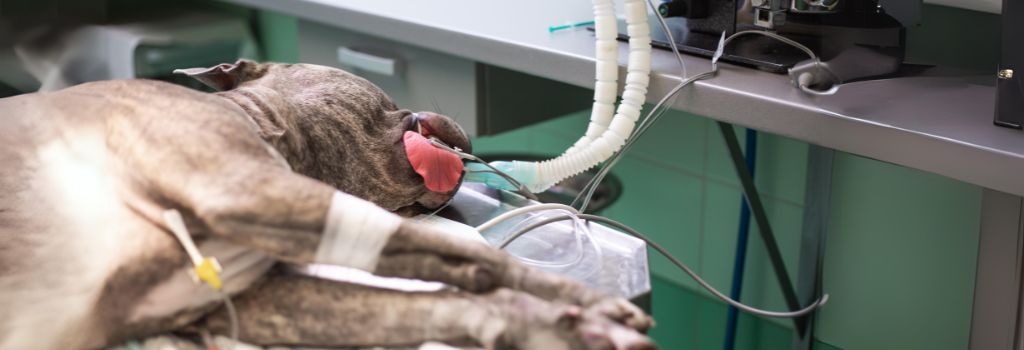
While your dog is under a sedative, we will use state-of-the-art monitoring equipment to keep a close eye on several vital signs.
The things we monitor while dogs are under anesthesia include:
- Heart rate
- Respiration rate
- CO2 levels
- Temperature
We will also have an EKG running during the procedure, and a trained veterinary staff member will be physically monitoring your dog every step of the way.
What do I need to watch for at home after my dog has had an anesthetic procedure?
We will keep a close eye on your pet while they recover from sedation or anesthesia. Once they have recovered enough to go home, we will contact you to provide aftercare instructions and let you know when to pick up your furry friend.
Your dog may still be a bit drowsy following the procedure. This is normal, but you need to confine them to a safe area to avoid falling or getting hurt. Limit their interaction with children and other pets, so they don’t get overwhelmed. If we administered IV fluids during your dog’s procedure, they may have a full bladder and might not be able to hold bowel movements as long as usual. Your dog may also have a decreased appetite for 24 to 48 hours.
Contact us immediately if your dog exhibits any of the following symptoms following an anesthetic procedure:
- Difficulty passing urine or stool
- Refusal to eat for more than 48 hours
- Prolonged lethargy
Contact us right away if your dog underwent surgery and is showing signs of excessive pain or their incision appears infected.
Conclusion
Anesthesia is a crucial part of many pet medical procedures, with modern monitoring devices ensuring your dog’s safety. The team of veterinary professionals at Atlantic Highlands Animal Hospital will do everything possible to minimize risks your dog may face while under anesthesia by performing comprehensive pre-anesthesia testing and providing close monitoring during and after the procedure.
If you live in or near Atlantic Highlands, NJ, and are looking for quality pet care, come visit us at Atlantic Highlands Animal Hospital where your pet is our priority. Contact us at (978) 919 2557 to set an appointment, or email us at [email protected]. Our staff would love to talk with you!
Don't forget to follow us on social media: Facebook, Instagram.